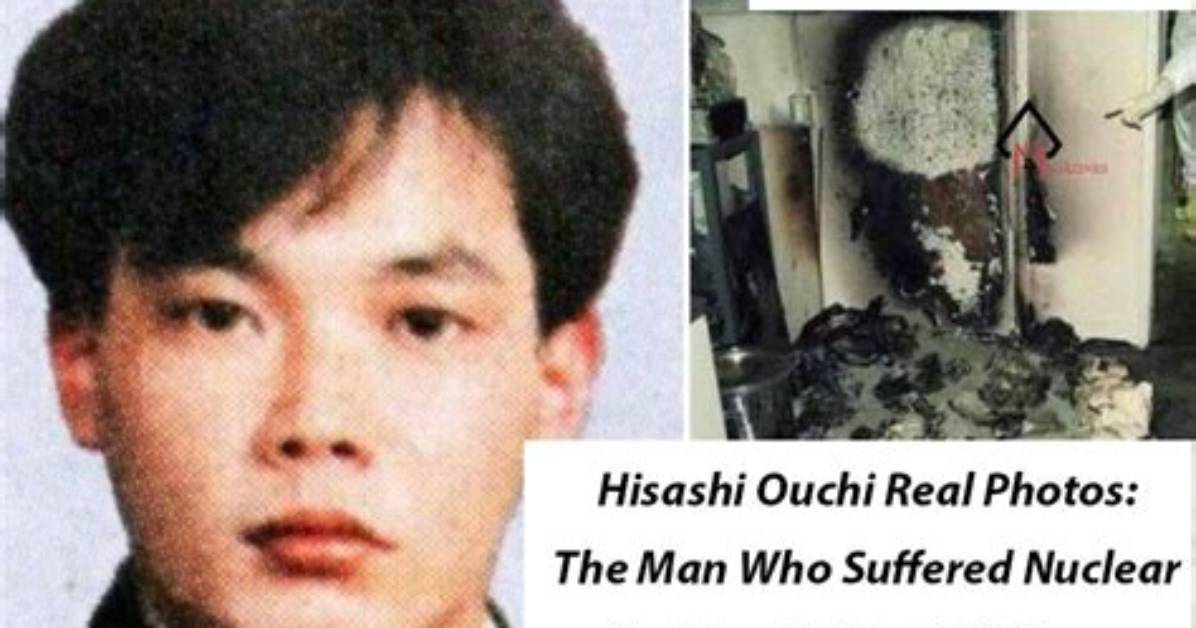
Hisashi Ouchi's story is one that intertwines tragedy, human resilience, and the stark realities of life. Born in Japan, Ouchi became a symbol of the consequences of nuclear accidents, representing the struggles faced by victims of such catastrophes. His case has sparked discussions across various platforms, highlighting the importance of safety regulations and medical ethics in the wake of disasters. As we delve into his life, we will also explore the profound implications his story has had on society.
In this article, we aim to shed light on Hisashi Ouchi's life, the unfortunate accident he endured, and the aftermath that followed. The focus will also be on understanding the real implications of his struggle through the lens of his physical condition, including the infamous "Hisashi Ouchi real photo body." This topic is not merely about the images but rather what they represent – the fragility of human life and the ethical considerations in medical treatment.
Join us as we navigate through Ouchi's biography, the events leading to his tragic fate, and the continuing impact of his story on nuclear safety and ethics in medicine. From understanding his personal details to exploring the questions surrounding his treatment, this exploration aims to provide a comprehensive view of a life defined by extraordinary circumstances.
What is the Biography of Hisashi Ouchi?
Hisashi Ouchi was born on May 31, 1960, in Japan. He was an employee at the Tokaimura nuclear facility, where a catastrophic accident occurred on September 30, 1999. The incident resulted from a serious lapse in safety protocols, leading to a criticality accident that exposed Ouchi and two colleagues to lethal doses of radiation. This tragic event not only changed his life but also had significant implications for nuclear safety regulations in Japan and worldwide.
| Personal Details | Bio Data |
|---|---|
| Name | Hisashi Ouchi |
| Date of Birth | May 31, 1960 |
| Occupation | Nuclear plant worker |
| Accident Date | September 30, 1999 |
| Place of Accident | Tokaimura, Japan |
| Date of Death | December 21, 1999 |
What Happened During the Tokaimura Accident?
The Tokaimura nuclear accident was a harrowing event that exposed severe flaws in safety measures at the facility. Workers were improperly handling uranium fuel, which led to a chain reaction that resulted in a criticality incident. Ouchi, alongside two other workers, was severely affected by the radiation exposure, leading to acute radiation syndrome (ARS). Hisashi Ouchi suffered immensely during his treatment, and the images of his condition became a sobering reminder of the accident's repercussions.
How Did Hisashi Ouchi's Treatment Affect His Body?
Following the accident, Ouchi was subjected to extensive medical treatments aimed at combating the effects of radiation poisoning. The medical procedures included blood transfusions, anti-radiation therapies, and experimental treatments. However, the damage inflicted on his body was catastrophic, leading to numerous complications. The "Hisashi Ouchi real photo body" captures the physical toll of these treatments, depicting a once healthy individual reduced to a skeletal frame due to the ravages of radiation.
What Were the Ethical Implications of Hisashi Ouchi's Case?
The case of Hisashi Ouchi raised profound ethical questions regarding medical treatment and patient rights. As his condition deteriorated, debates emerged about the appropriateness of continuing aggressive treatments versus the quality of life considerations. Medical professionals faced criticism for their decisions, and Ouchi's prolonged suffering became a focal point for discussions on the ethics of treating patients with critical conditions caused by industrial accidents.

