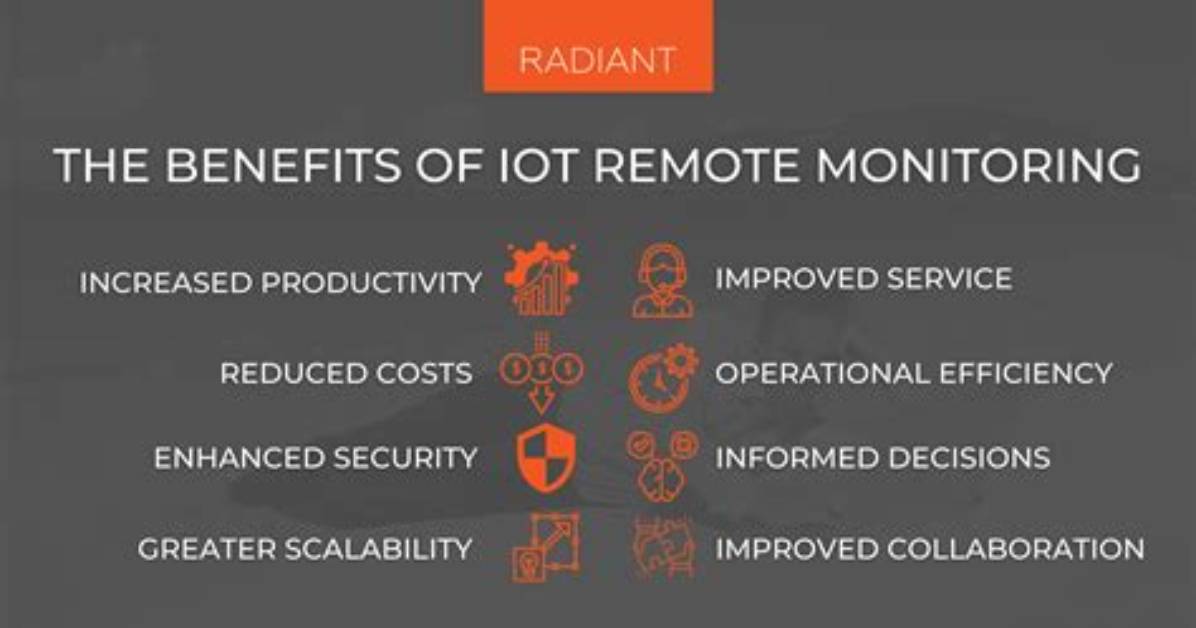
Remote IoT monitoring using SSH on Raspberry Pi has become a cornerstone for modern technological solutions, enabling users to manage and monitor devices remotely with ease. As the Internet of Things (IoT) continues to evolve, the ability to securely access and control IoT devices remotely is crucial for businesses and individuals alike. By leveraging SSH (Secure Shell), users can establish secure connections to their Raspberry Pi devices, ensuring that data transmission remains protected.
Whether you're a hobbyist experimenting with IoT projects or a professional managing an extensive network of connected devices, mastering remote IoT monitoring via SSH is essential. This article will guide you through the process of downloading and setting up SSH on Raspberry Pi, ensuring you can monitor and manage your IoT devices effectively.
Through practical steps, expert tips, and reliable resources, we aim to provide you with a comprehensive understanding of how to implement remote IoT monitoring using SSH. By the end of this article, you'll have the knowledge and tools to confidently manage your IoT ecosystem from anywhere in the world.
Introduction to Remote IoT Monitoring
What is Remote IoT Monitoring?
Remote IoT monitoring refers to the practice of supervising and managing IoT devices from a distant location. This is achieved through various communication protocols, with SSH being one of the most secure and reliable methods. By enabling remote access, users can maintain, update, and troubleshoot IoT devices without physical presence, saving time and resources.
For Raspberry Pi users, remote IoT monitoring via SSH provides an efficient way to interact with their devices, whether they're located in the same room or across the globe. This capability is particularly beneficial for managing IoT projects that involve multiple devices spread across different locations.
Why Choose Raspberry Pi for IoT Projects?
Raspberry Pi has emerged as a popular choice for IoT enthusiasts and professionals due to its affordability, versatility, and ease of use. With its compact size and powerful processing capabilities, Raspberry Pi serves as an ideal platform for developing and deploying IoT solutions.
By integrating SSH into Raspberry Pi, users can enhance the device's functionality, enabling secure remote access and monitoring. This setup is particularly advantageous for those working on IoT projects that require real-time data collection and analysis.
Raspberry Pi: The Ideal Platform for IoT
Key Features of Raspberry Pi
Raspberry Pi offers several features that make it an excellent choice for IoT projects:
- Compact Size: Raspberry Pi's small form factor makes it easy to integrate into various IoT applications.
- Cost-Effective: With its affordable price point, Raspberry Pi is accessible to hobbyists and professionals alike.
- Versatile Operating Systems: Raspberry Pi supports a wide range of operating systems, including Raspbian, Ubuntu, and more.
- Extensive Community Support: A vast community of developers and enthusiasts provides ample resources and support for Raspberry Pi users.
These features, combined with its ability to support SSH, make Raspberry Pi a top choice for remote IoT monitoring.
Benefits of Using Raspberry Pi for IoT
Using Raspberry Pi for IoT projects offers several benefits:
- Scalability: Raspberry Pi can be easily scaled to accommodate growing IoT networks.
- Customization: Users can tailor Raspberry Pi to meet the specific needs of their IoT projects.
- Energy Efficiency: Raspberry Pi consumes minimal power, making it suitable for long-term IoT deployments.
By leveraging these advantages, Raspberry Pi users can create robust and efficient IoT systems capable of remote monitoring and management.

